
Skiing and Spa in Perfect Harmony
For a long time, the classic ski holiday followed a simple formula - ski hard, eat well, sleep deeply, repeat. But over the past decade, a new "third pillar" has become just as important as snow and scenery: wellness. Today's ski trips are no longer only about chasing powder or clocking vertical meters. They are also about easing tired legs in a warm pool, swapping après-ski beers for sauna rituals, and turning recovery into one of the highlights of the trip.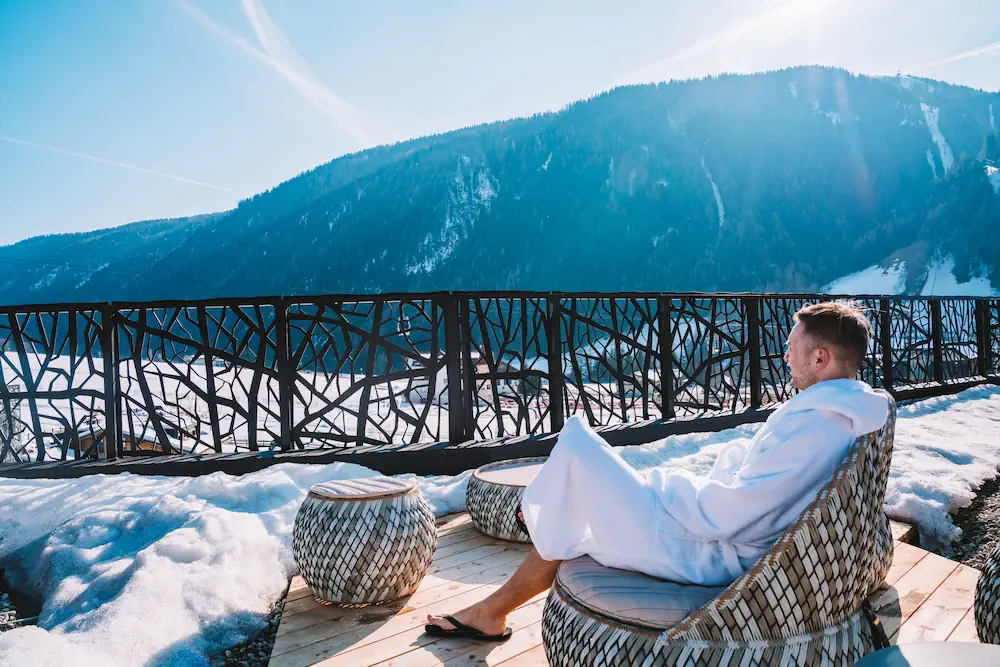
This development has driven strong growth in spa facilities at ski resorts, particularly in Europe, where hot springs, bathing culture and high-end hospitality naturally go hand in hand with days on the slopes. The result is the modern winter holiday, which is both physically active and restorative - mornings in the mountains, afternoons in steam and stillness, evenings that end with relaxed bodies, good food and better sleep.
Why Wellness Is Growing in Ski Destinations
1. Recovery Is the New Luxury
Skiing and snowboarding are demanding on the thighs, hips, knees and lower back. Even experienced skiers feel it after a full day of turns or moguls. Spas - especially those designed for active guests - have become a "secret weapon" for feeling fresh the next day and being able to ski several days in a row. Contrast therapy (hot sauna followed by cold immersion), sports massage, stretching areas and hydrotherapy pools are now often found right next to ski lockers and boot warmers.2. Travelers Want Variety
Not everyone in a travel group skis in the same way, and some do not ski at all. Wellness therefore broadens the appeal of a ski holiday for different members of the group, as partners, friends, grandparents and children can all enjoy the trip without needing a lift pass. It also provides a plan B when the weather turns, visibility worsens or legs need a rest.3. The Alpine Lifestyle Has Changed
Après-ski certainly still exists, but it has become more diverse. More and more travelers balance nightlife with morning yoga, guided breathing sessions, nutrition-focused menus and calm environments. Ski resorts have adapted accordingly - wellness quite simply sells.Europe Is the Heart of Ski and Spa Culture
Europe's strong connection between skiing and wellness is rooted in deep cultural traditions, with long-standing practices of thermal bathing, sauna culture and health resorts focused on altitude, wellbeing and mineral-rich waters. Today, many destinations market themselves as dual-purpose resorts - world-class skiing combined with spa experiences that could easily stand as the main attraction in their own right.The Alps Offer Luxury Wellness with Serious Skiing
In Switzerland, France, Italy and Austria, exclusive hotels have made wellness a defining feature. Today, multi-level spa complexes with panoramic pools, salt rooms, hammams, relaxation areas and recovery programs tailored specifically to winter sports are the norm.Some of the most well-known and popular spa facilities and hotels in Alpine ski areas include:
- Aqua Dome (Längenfeld, Ötztal, Austria) - known for its futuristic outdoor pools with mountain views and popular among skiers from Sölden and the Ötztal region.
- Badrutt's Palace Hotel spa (St. Moritz, Switzerland) - a place of classic glamour in one of the world's most iconic winter resorts.
- Kulm Hotel / Kempinski and other top spa hotels (St. Moritz, Switzerland) - additional options in St. Moritz, which has become as much a destination for indulgence and recovery as for skiing history.
- Les Grands Bains du Monêtier (Serre Chevalier, France) - thermal baths close to a major ski area, perfect for post-ski recovery.
- QC Terme Pré Saint Didier (Courmayeur, Aosta Valley, Italy) - famous for its dramatic views of Mont Blanc and its ritual-based spa experience.
- Lefay Resort & SPA Dolomiti (Pinzolo/Madonna di Campiglio, Italy) - a modern wellness concept located near advanced skiing in the Dolomites.
- Arlberg WellCom and spa hotels in Lech & Zürs (Austria) - these facilities combine legendary skiing with an equally serious recovery culture.
Scandinavia and the Role of the Sauna
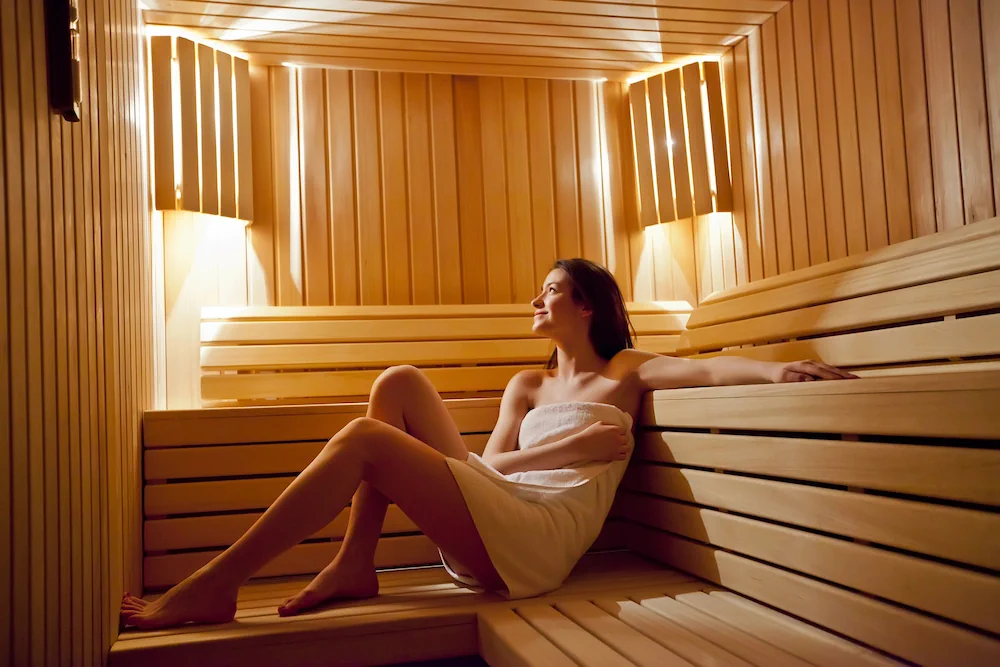
While the Alps lead the way in large-scale luxury spas, Northern Europe offers something different - a sauna culture that feels authentic, social and grounded. In Sweden, Norway and Finland, the sauna is not just a "treatment" but a rhythm - heat, cold, repetition.Ski resorts in Scandinavia increasingly combine modern design with traditional sauna principles. Many hotels offer sauna experiences by lakes or in mountain settings, sometimes paired with cold plunges or snow-rolling rituals. It is simpler than the large Alpine spa complexes, but often more memorable, as the sauna can also be a highly social environment.
Eastern and Central Europe: Underrated Wellness Gems
Another reason why ski-and-spa travel is growing is value for money. Countries such as Bulgaria, Slovenia, Poland and Slovakia have long traditions of thermal baths and health resorts, while their ski areas have developed rapidly and are now fully fledged alternatives to the Alps and Nordic mountains. For travelers seeking less crowded slopes and a strong wellness component, these regions often offer excellent facilities at lower prices than Europe's most famous ski destinations.What Defines a Truly Great Spa Experience on a Ski Holiday?
Not all spas are created equal - especially when they are meant to support recovery after skiing. The best mountain spas typically offer:- Variety of heat: Finnish sauna, bio sauna, steam room/hammam, infrared options
- Hydrotherapy: warm pools, hot tubs, water jets targeting legs and lower back
- Cold exposure: cold plunges, ice rooms, snow showers or cold buckets (not for everyone)
- Relaxation zones: quiet rooms, heated loungers, "digital detox" environments
- Sport-focused treatments: deep tissue massage, physiotherapy, guided stretching
- Altitude-aware wellness: focus on hydration, lighter menus and sleep optimization
More and more often, wellness is integrated into the entire guest experience: welcome rituals, scent design, sleep kits, yoga studios and "recovery bars" offering electrolyte drinks and protein-rich snacks.
Beyond Europe: Wellness in Ski Resorts in the USA, Canada and Japan
Europe may have the deepest traditions, but the ski-and-spa model is also growing rapidly elsewhere, often with its own distinct style.In the USA, Wellness Is Part of Resort Life
In the United States, wellness at ski resorts is often part of a broader resort concept, with exclusive lodges, fine dining and extensive spa menus that combine beauty treatments with physical recovery.Well-known destinations in the USA include:
- Aspen (Colorado) - home to plenty of luxury hotels with strong spa programs in a town that is largely built around premium experiences.
- Park City and Deer Valley (Utah) - both resorts offer exclusive resort culture with a growing focus on wellness and recovery.
- Palisades Tahoe (California) - a blend of ski energy and spa retreats, often with lake views and modern wellness facilities.
The American model is generally more boutique and service-driven than the European bathing tradition, with fewer public thermal baths and more tailored treatments.
Canada Focuses on Recovery Close to Nature
Unlike the USA, Canada's wellness experiences tend to lean more toward nature, with clean air, deep snow and a calmer pace. Many of the best hotels focus on outdoor hot pools, hot tubs and recovery massages, offering a simpler, more efficient approach perfectly suited to Canada's colder climate.Well-known examples include:
- Scandinave Spa Whistler (Whistler, British Columbia) - a highly regarded Nordic-style spa experience near one of North America's largest ski areas.
- Banff Upper Hot Springs (Banff, Alberta) - classic hot springs where visitors can soak while enjoying magnificent views of the Rocky Mountains, with skiing available at Sunshine Village or Lake Louise.
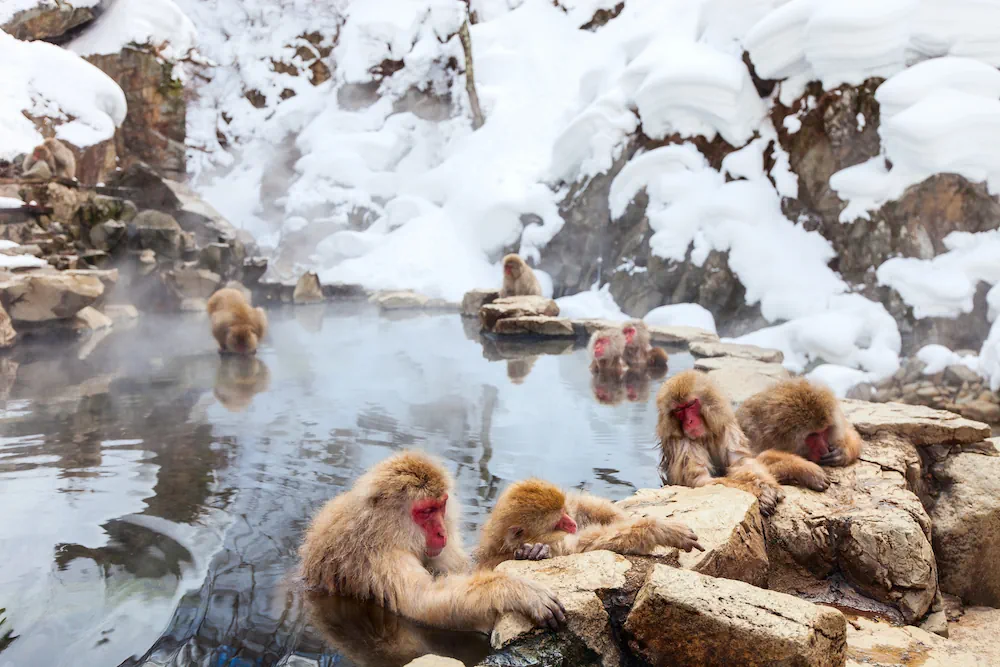
Japanese monkeys enjoying a hot onsen bath
Onsen in Japan
Japan may be the country that most naturally combines skiing and wellness. The onsen tradition - bathing in hot springs with deep cultural roots - pairs perfectly with snowy landscapes. Add Japan's reputation for powder skiing, particularly in Hokkaido, and the result is winter trips where recovery is a natural part of everyday life.Well-known ski areas with nearby onsen include:
- Niseko (Hokkaido) - a famous ski resort with easy access to numerous onsen and spa hotels.
- Hakuba Valley (Nagano) - a large ski area with many traditional baths nearby.
- Nozawa Onsen (Nagano) - a village where hot springs are central to the resort's identity, making the ski-and-soak rhythm feel completely natural.
The Future of the Complete Ski Holiday
Traditionally, ski resorts have competed for travelers seeking more than just lifts and accommodation, and wellness will continue to grow - from "spa as an add-on" to "spa as a reason to choose a destination." We are likely to see more dedicated recovery lounges, guided sauna programs, carefully curated biohacking-inspired offerings and complete travel packages where skiing is part of a broader holistic experience.The ski resorts that succeed best in the future will be those that understand one simple truth: people don't just want to ski more - they want to feel better while doing it. And few things deliver that more effectively than stepping into warm water after a cold day in the mountains, when tired legs finally begin to relax.