
Safe in the Ski Slopes with the Right Knowledge and Preparation
Skiing is an exhilarating winter sport, but it does not come without risks. Every season, thousands of skiers suffer injuries that could have been avoided - many of them caused by fatigue, incorrect technique, poor preparation, or unsuitable equipment. With the right habits and increased awareness, you can significantly reduce the risk of injuring yourself while enjoying your skiing and the beautiful surroundings.10 tips to keep you injury-free on the slopes
Here we go through the most important tips for preventing injuries that every skier - from beginner to expert - should know.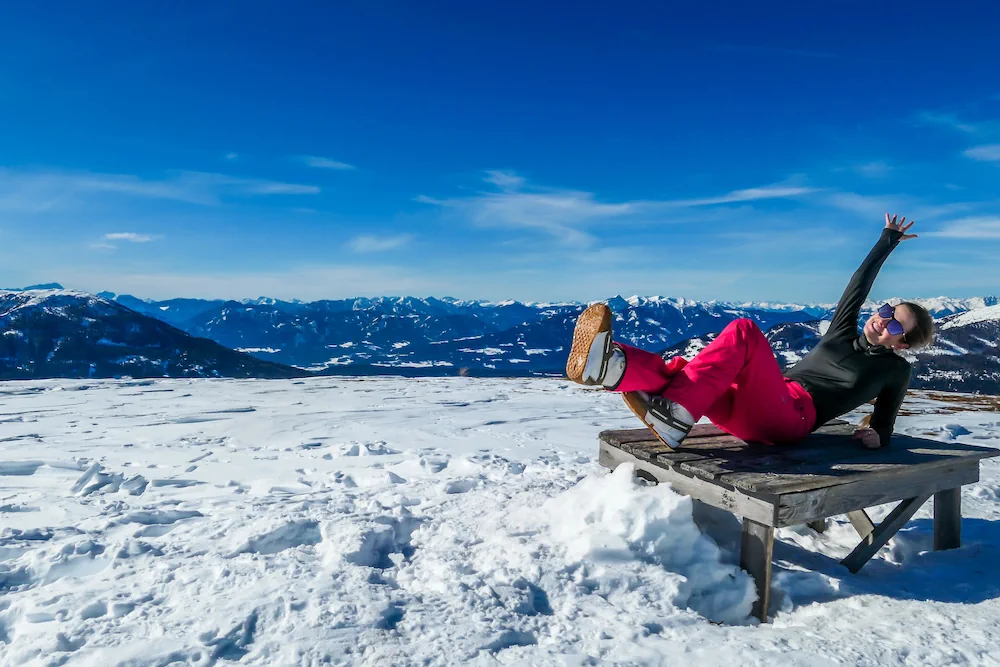
1. Warm up before heading out onto the slopes
Cold muscles arule more prone to strains or overexertion, and therefore a quick warm-up can increase blood circulation, improve your mobility, and help the body handle the dynamic movements required in skiing and snowboarding. A good habit is to do some light jogging, leg swings, squats, hip rotations, and short stretching exercises before heading out onto the slopes.2. Choose the right equipment that fits properly
Poorly fitted equipment is one of the most common causes of ski injuries, so keep this in mind:- Make sure the ski boots fit tightly without causing pain or pressure points.
- Check the bindings: they should be adjusted according to your weight, height, age, and skill level.
- Inspect your equipment: check skis and poles to ensure they do not have any damage or worrying wear.
3. Use protective gear
Helmets are essential - and nowadays often a requirement at many ski resorts - and significantly reduce the risk of head injuries. Also consider extra protection such as wrist guards, back protectors, and padded shorts depending on your experience and the terrain. This is especially true for snowboarders, unless you are a very experienced one.4. Take lessons if you are new or want to improve
Incorrect technique puts strain on the joints, especially the knees and hips. By taking lessons from a qualified instructor, you can learn:- How to maintain balance correctly
- Safe turning and stopping techniques
- How to fall in a way that reduces the risk of injury
5. Know your limits and adapt to them
Skiing beyond your ability is a common cause of accidents. Therefore, choose slopes that match your level and gradually progress to more difficult terrain as your skills improve. Fatigue also increases the risk of injury, so take breaks before you feel completely exhausted.6. Be aware of your surroundings
Always look uphill before merging onto a slope. Be constantly aware of where other skiers and snowboarders are, note changing snow conditions, and pay attention to signs and warnings. Good control and predictability protect not only you but also other riders on the slopes.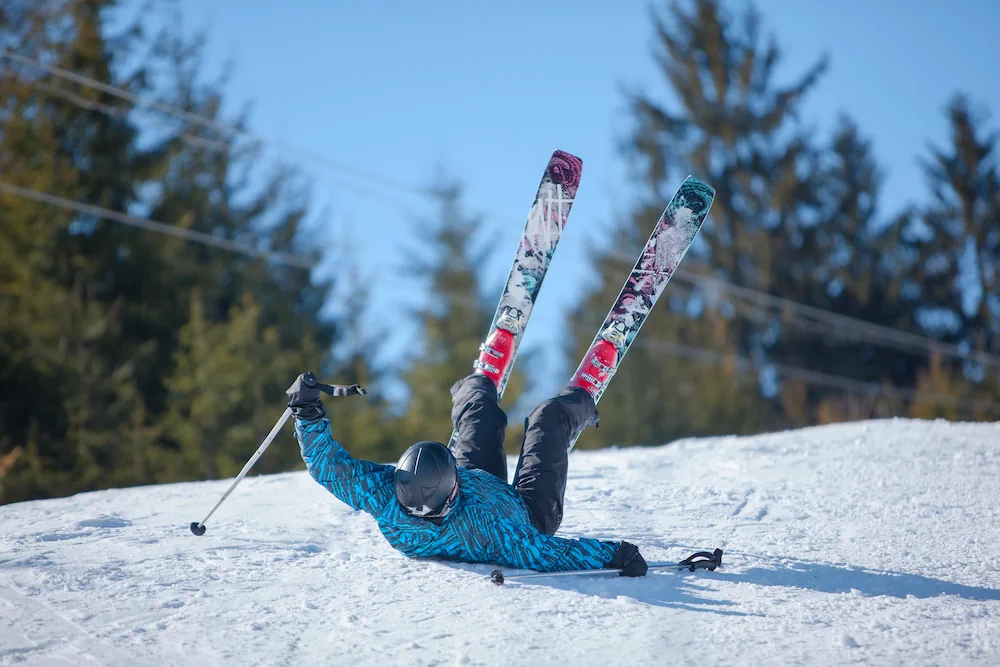
7. Learn how to fall safely
Sometimes it is impossible to avoid falling - it literally happens to everyone - but how you fall can make a big difference.- Try to fall to the side rather than backwards.
- Avoid straightening your arms to break your fall.
- Keep your body relaxed to reduce strain.
8. Keep your body in shape
Strong legs, a stable core, and good cardiovascular fitness help prevent injuries. Pre-season training and light warm-ups (as we already mentioned) during your ski day can make a big difference.9. Respect weather and snow conditions
Ice, heavy powder, poor visibility, and wind can all affect safety, and this is why it is important to adjust your speed and technique according to the conditions. If the weather is too poor, it might even be best to consider postponing skiing for the day, even if it is disappointing to miss a day on the slopes.10. Drink and eat properly
Dehydration and low energy levels impair both reaction time and judgment. Drink water throughout the day and bring snacks for steady energy. A beer at a restaurant on the mountain is part of the enjoyment of a ski holiday for many, but keep alcohol consumption at a level where it does not affect your judgment too much.
Common injuries in the ski slopes
Even with good preparation, skiing puts stress on joints and muscles, and certain injuries are significantly more common than others. Understanding them helps you recognise risks and make better decisions on the slopes.1. Knee injuries (ACL and MCL injuries)
Knee injuries are by far the most common in skiing. Twisting falls, sudden stops, and poor landings can strain and, in the worst case, tear the ACL (anterior cruciate ligament) or MCL (medial collateral ligament).Prevention: strengthen the leg muscles, keep your weight centred, use properly adjusted bindings, and avoid leaning backwards.
2. Shoulder injuries
Falling with outstretched arms can often lead to shoulder dislocations, collarbone fractures, or rotator cuff injuries.Prevention: keep your arms closer to your body when falling and strengthen your upper body.
3. Hand and wrist injuries (including "skier's thumb")
"Skier's thumb" occurs when the thumb is bent sharply outward, which often happens when holding tightly to the ski poles during a fall.Prevention: release the poles if you fall, use the wrist straps correctly, and do not grip too tightly.
4. Head injuries
Collisions, high speeds, or icy conditions can cause concussions or more serious injuries if you hit your head when falling.Prevention: always use a certified helmet and stay aware of other skiers around you.
5. Lower leg fractures
Although they are less common today thanks to modern bindings, fractures can still occur if the skis do not release during a fall.Prevention: make sure the bindings are correctly adjusted for your level and weight, and do not ski with damaged equipment.
6. Back injuries
Hard landings, moguls, and twisting falls can lead to muscle strains or, in more severe cases, injuries to the spine.Prevention: strengthen your core and avoid terrain that exceeds your technical ability.
7. Facial injuries
High speeds or contact with equipment (e.g. ski tips or poles) can lead to cuts or fractures in the face.Prevention: helmets with face protection and well-fitting goggles can reduce the risk.